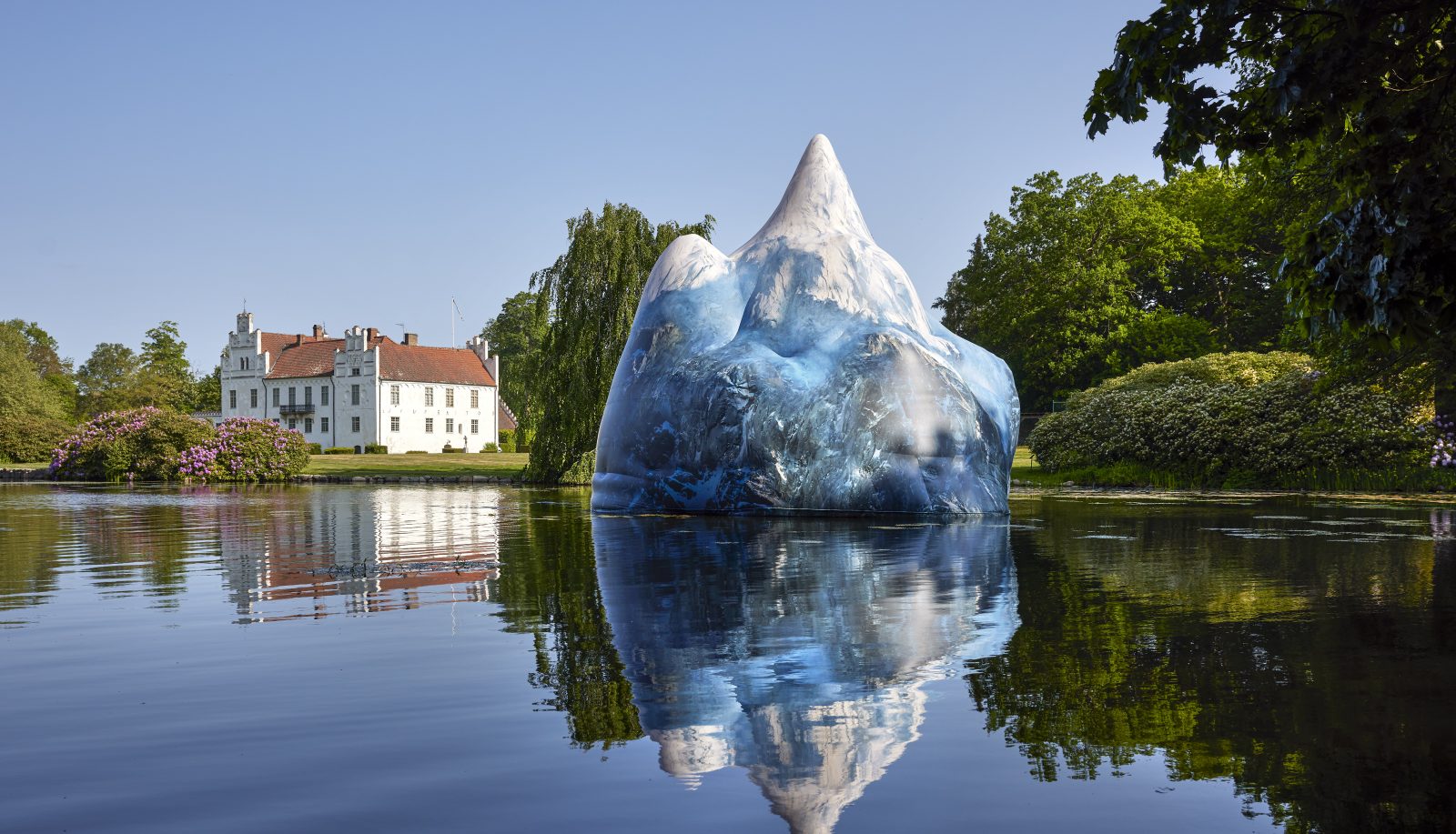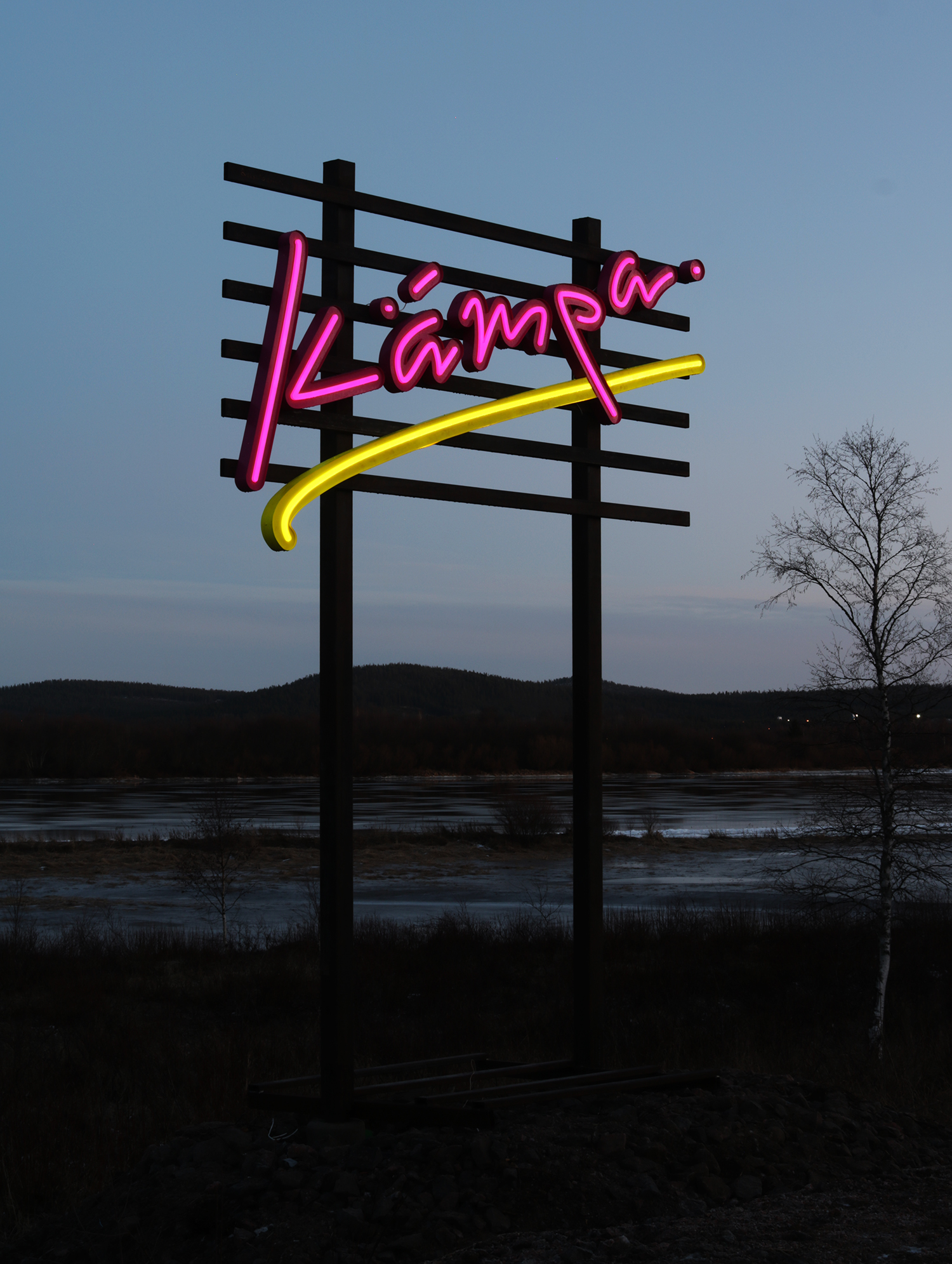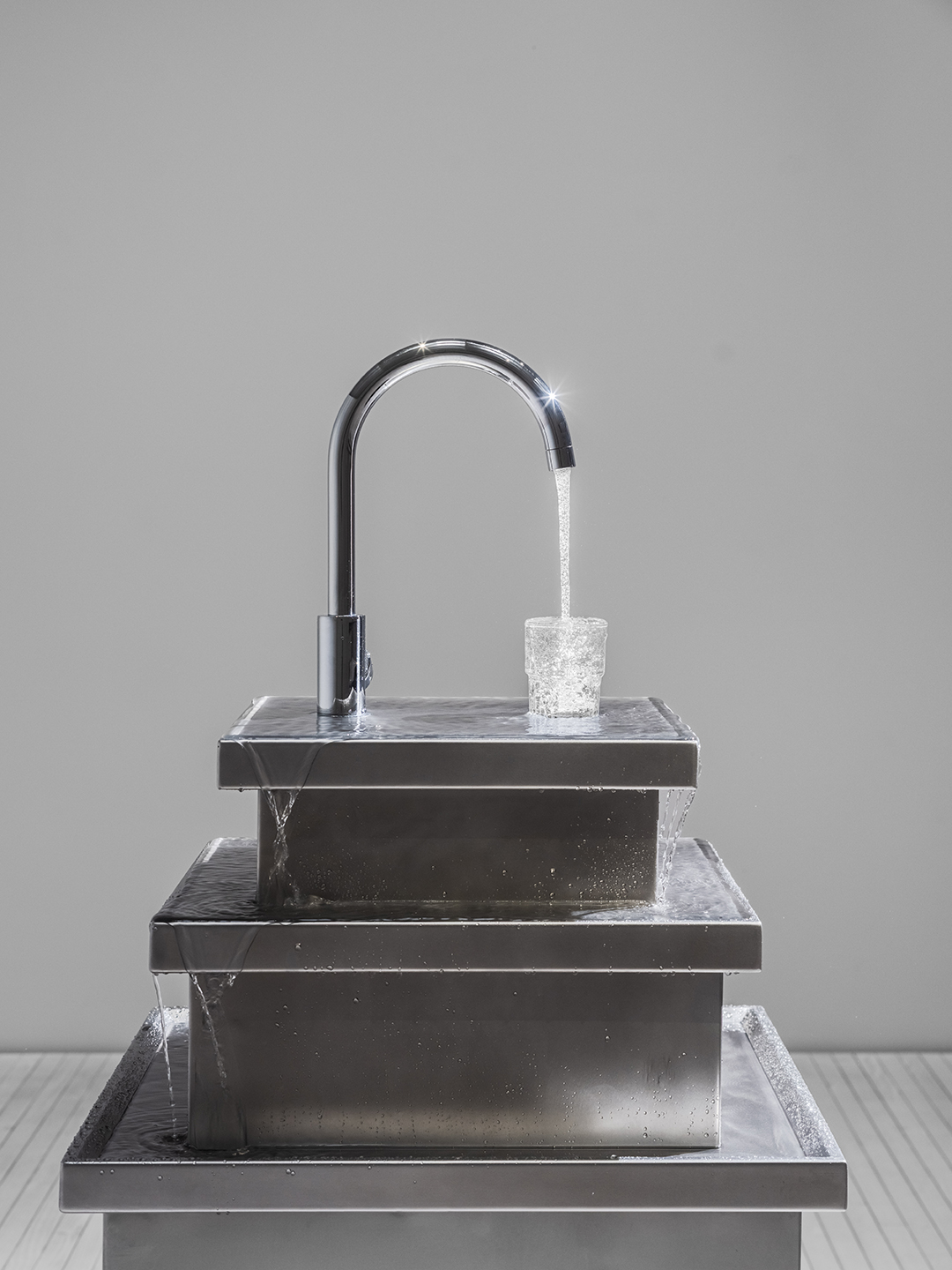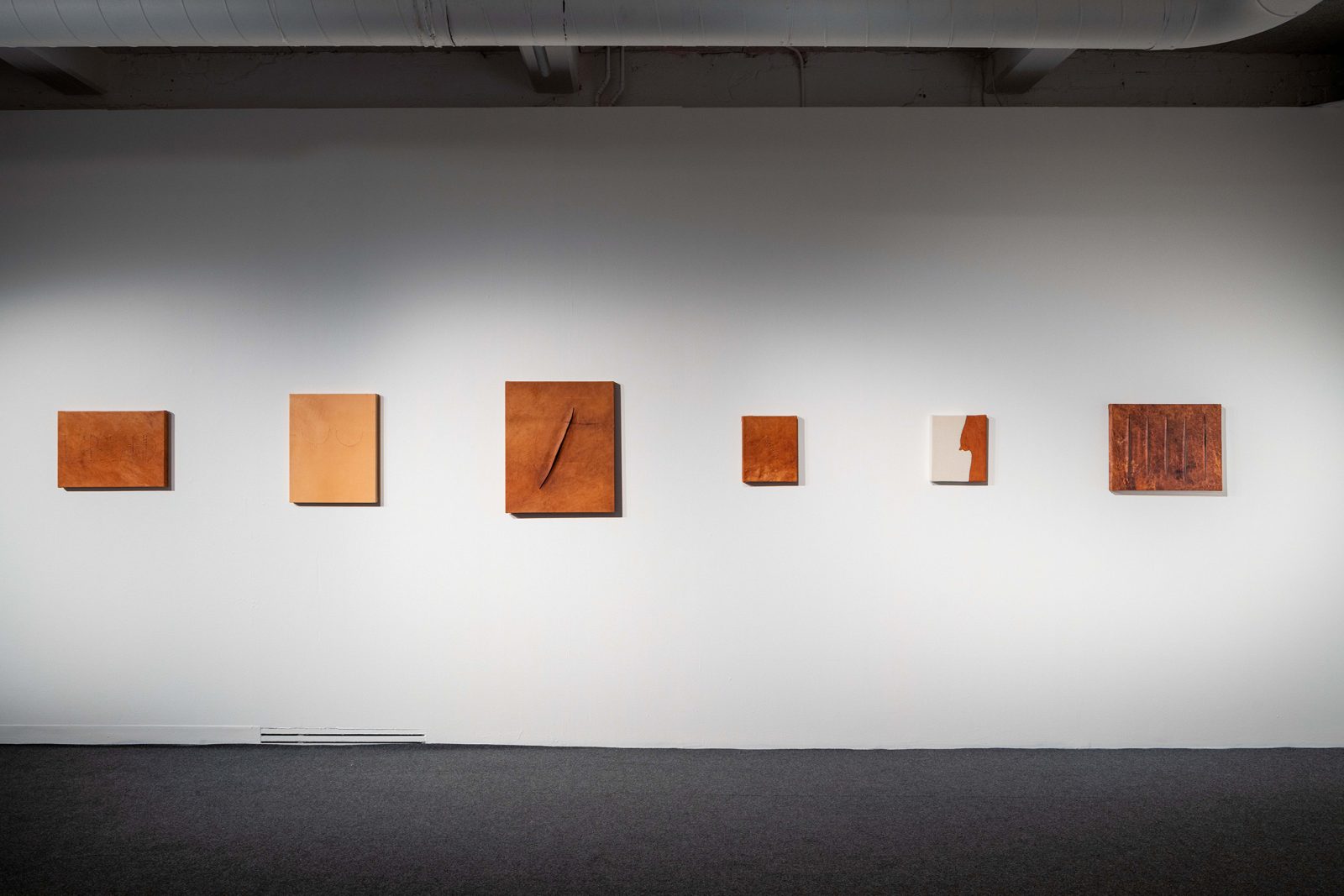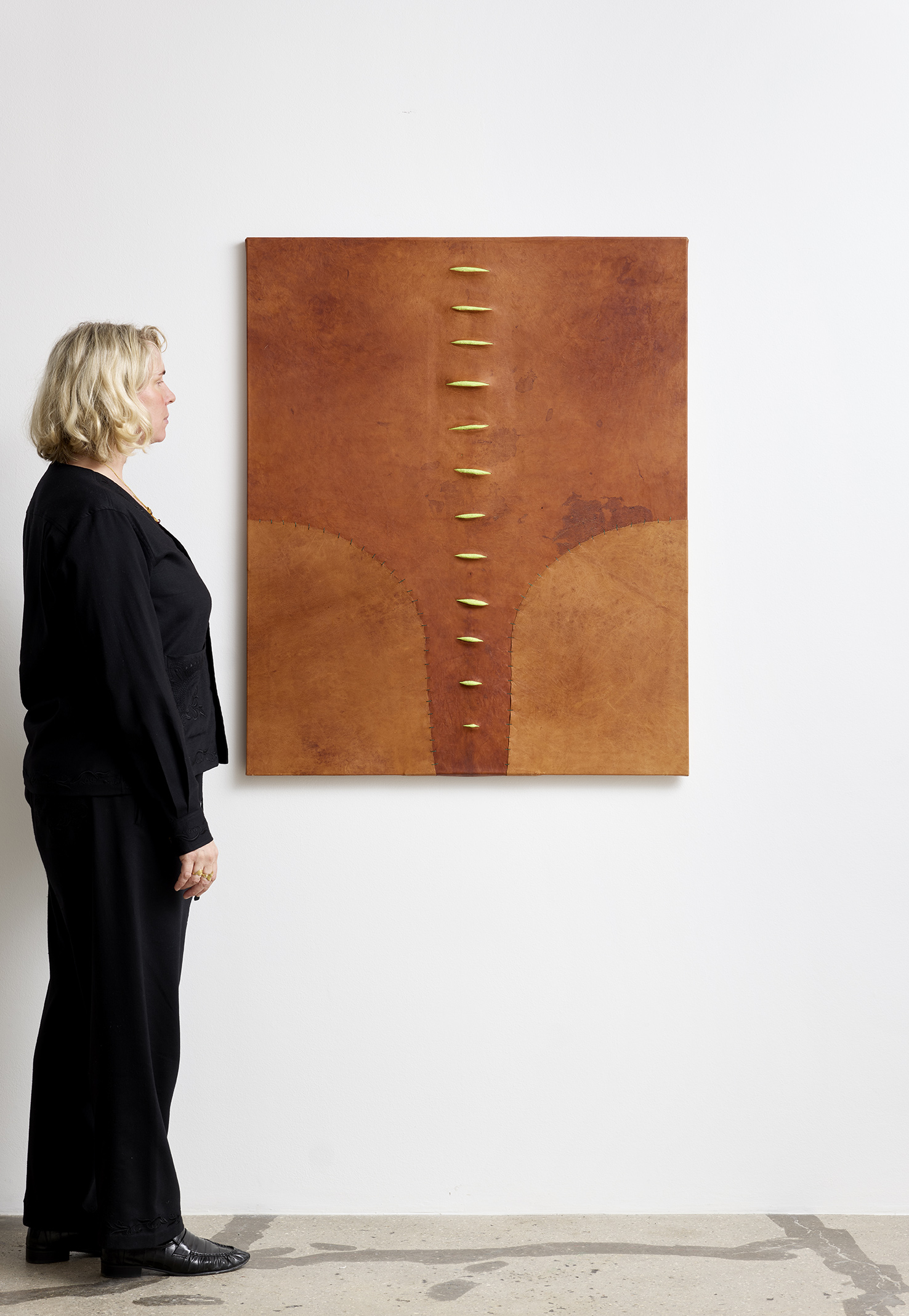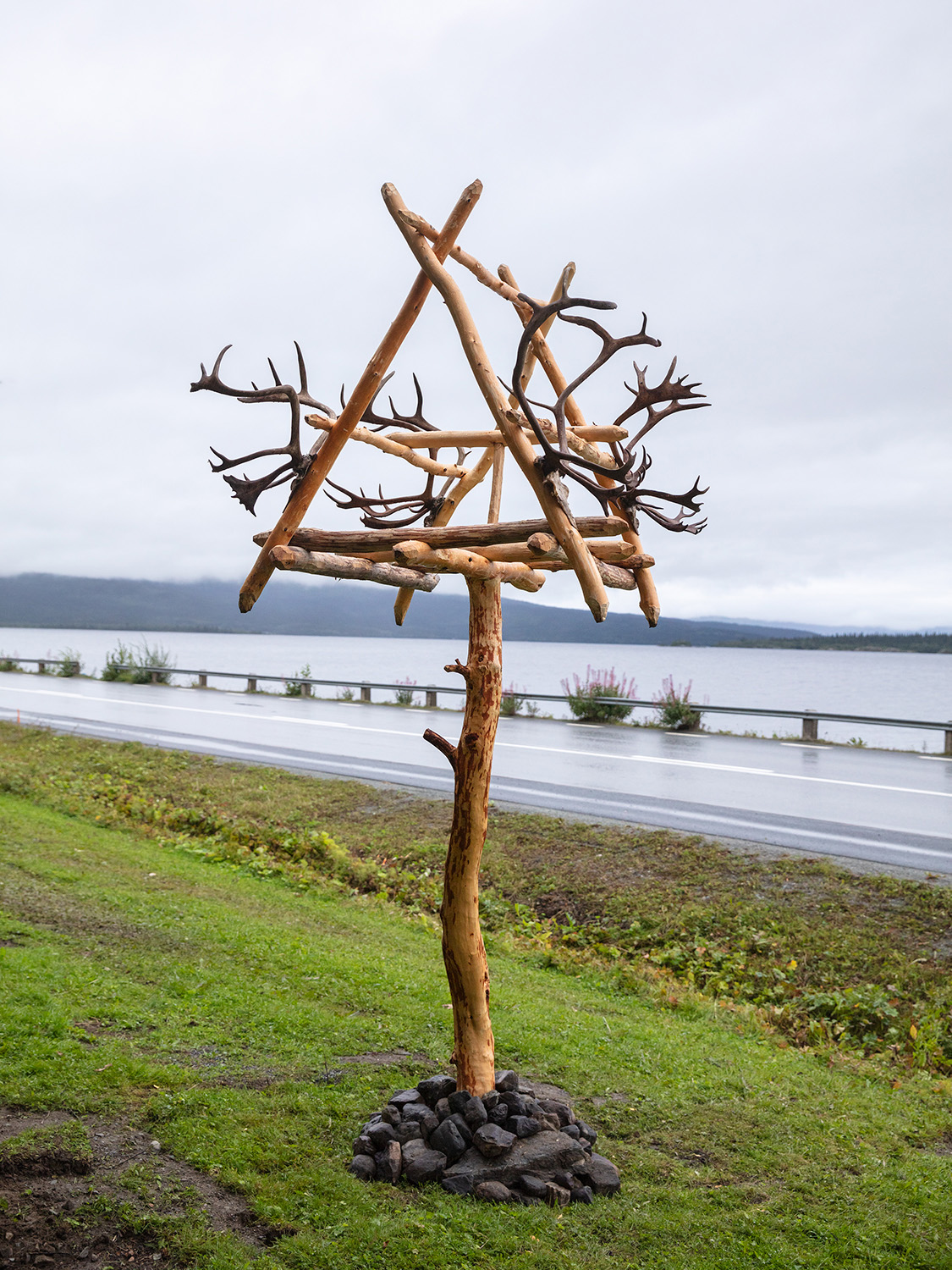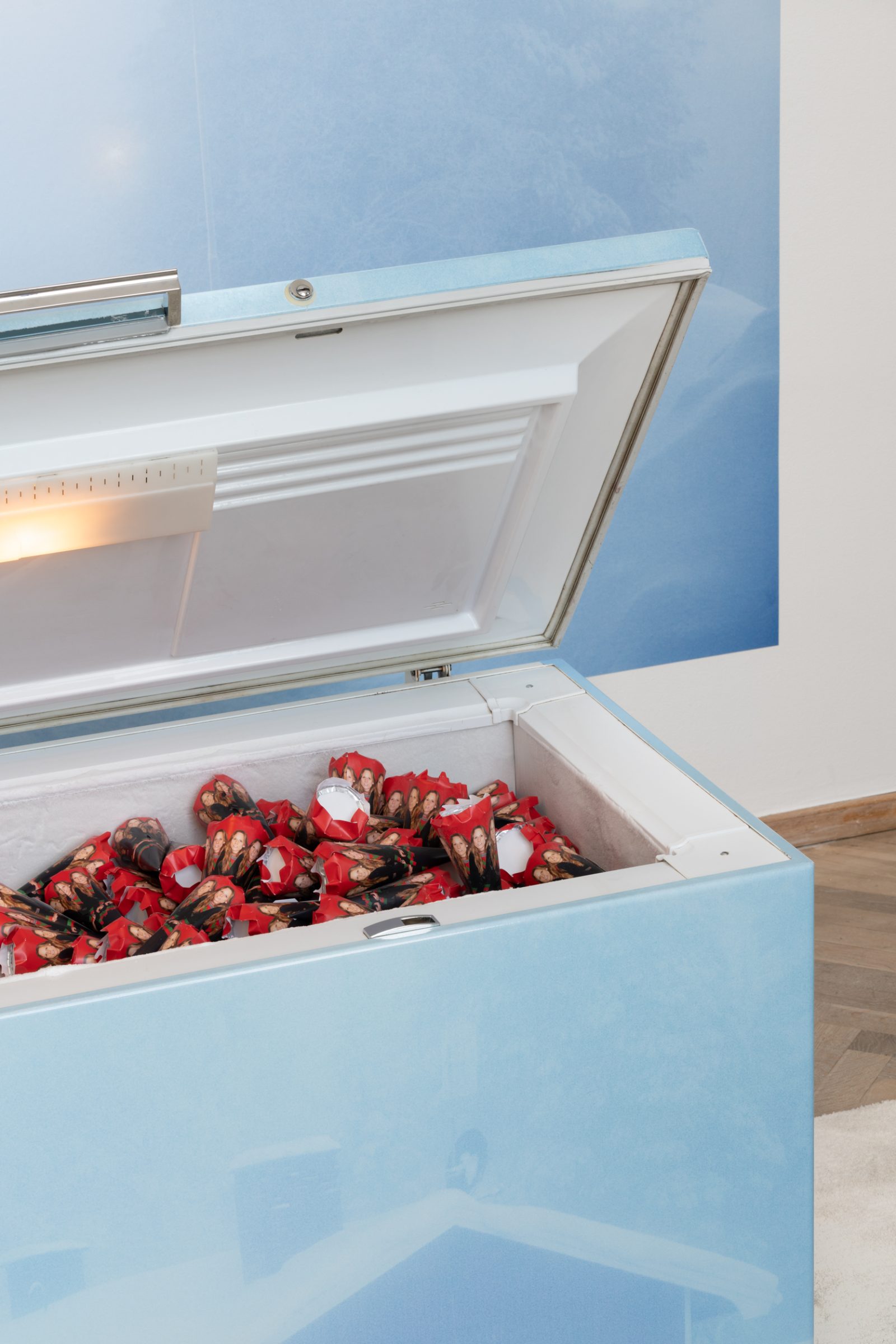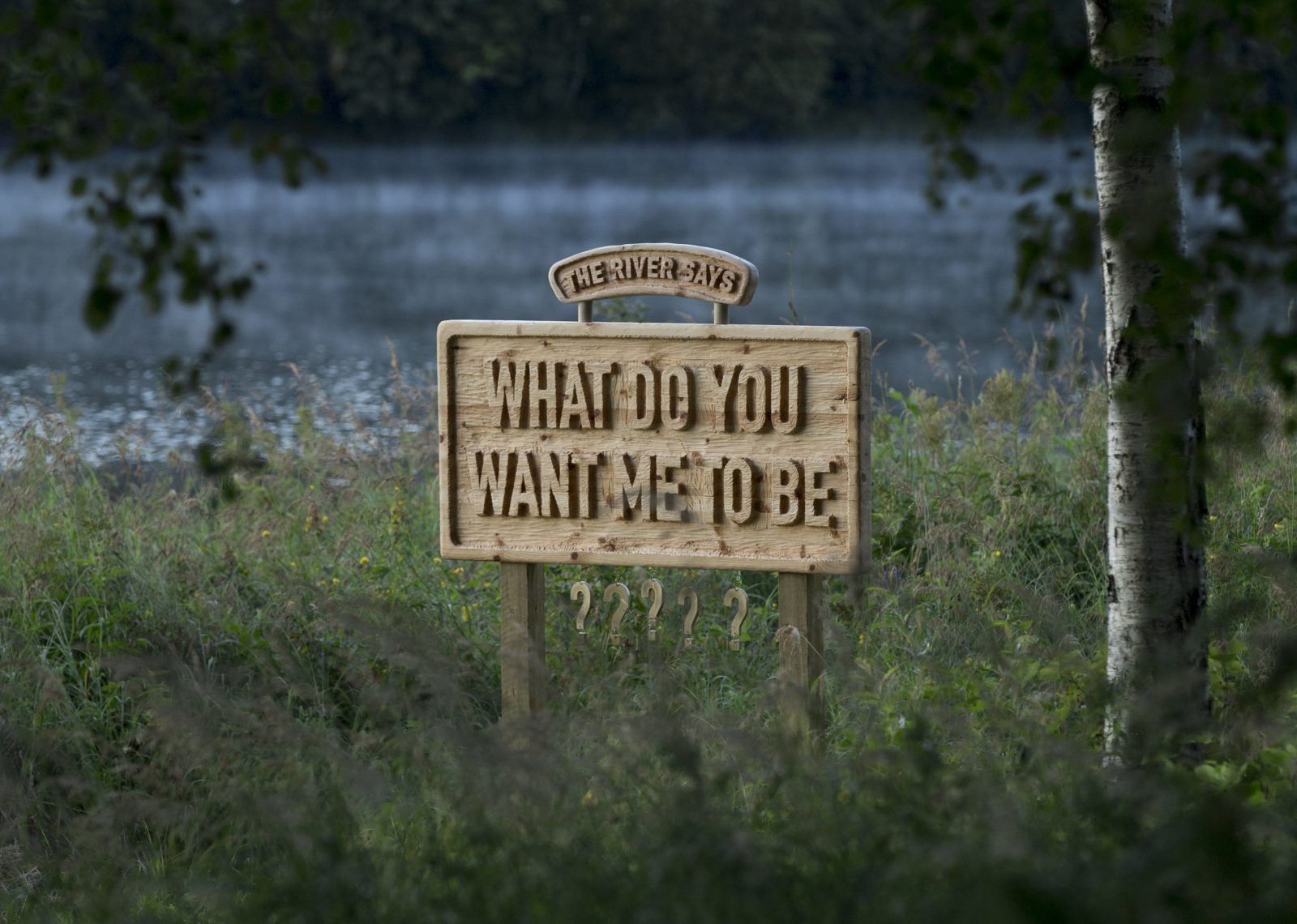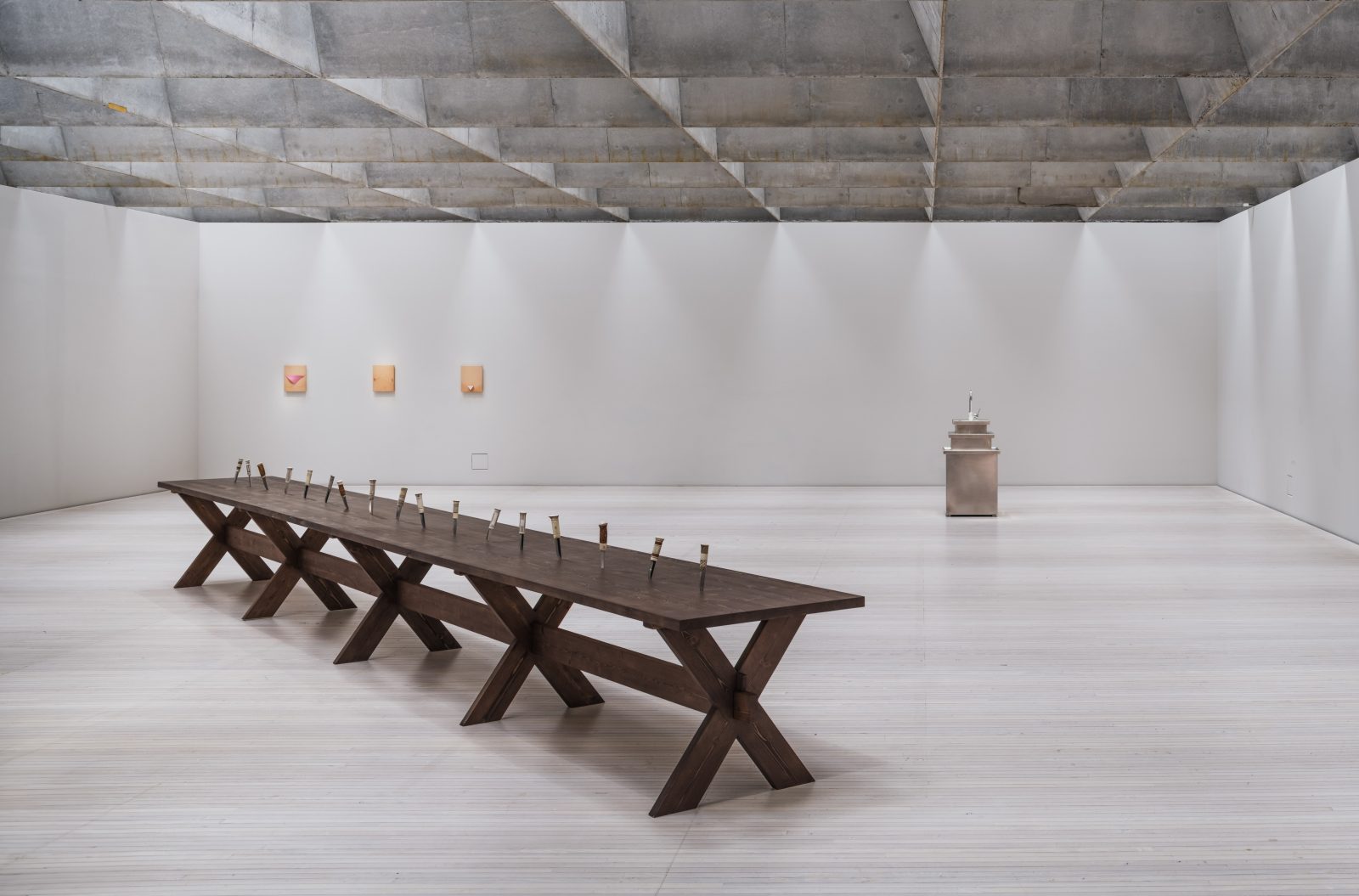
Carola Grahn is a conceptual artist whose practice primarily unfolds through large-scale projects including sculpture, installation, performances and the materialization of text and sound. Her work examines structures of power and politics, with particular attention to how these forces are embedded in everyday life. Interested in our relationships to nature, to each other and to larger narratives, Grahn often tells universal stories from a personal lens.
Grahn’s practice makes visible the tensions between inner and outer landscapes; mundane gestures, recurring actions, and familiar materials are carefully staged to form intimate yet charged scenes. These vignettes operate as points of recognition, allowing viewers to anchor their own memories and experiences while encountering realities that can be both culturally specific and emotionally resonant. In so doing, Grahn’s work proposes new ontologies, challenging both inherited frameworks and vested modes of relating.
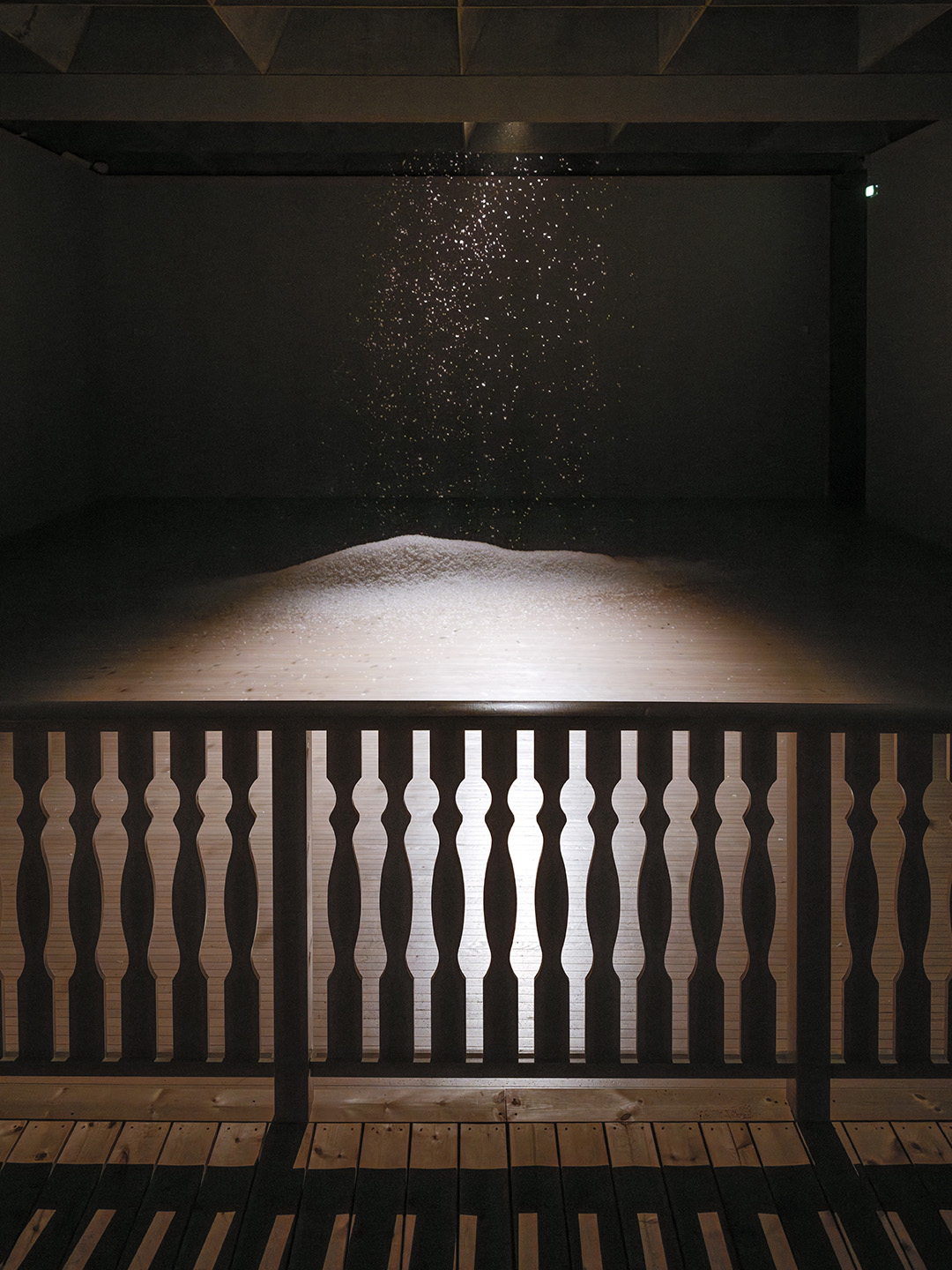
Grahn’s works can often be read as physical poems. Using a vocabulary of repetition, collaborative participation, and restrained references to contemporary life as well as Sami society, her installations echo and ripple with somber portraits of reality. Her use of dark humor echoes the techniques of agency found in many communities facing challenge, binding joy and building kinship within her practice. These gestures carry a quiet critique that remains open and fluid, mirroring the complex and shifting dynamics Grahn seeks to examine.
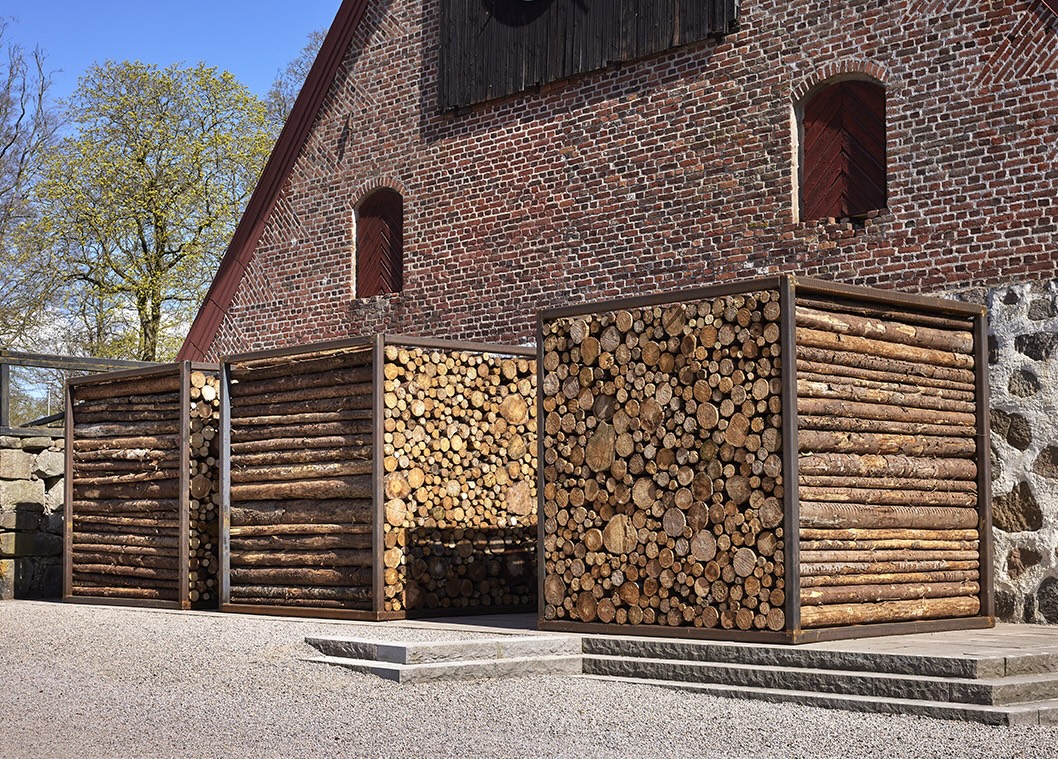
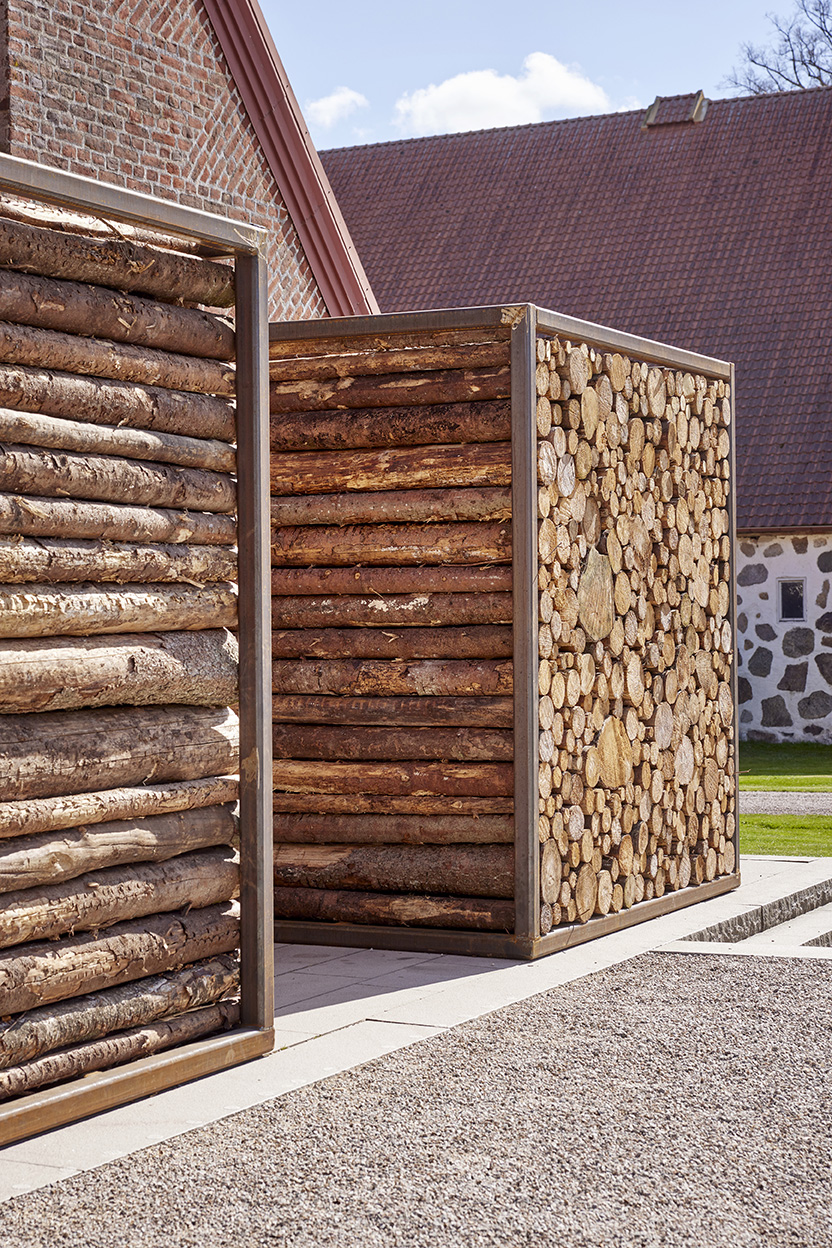
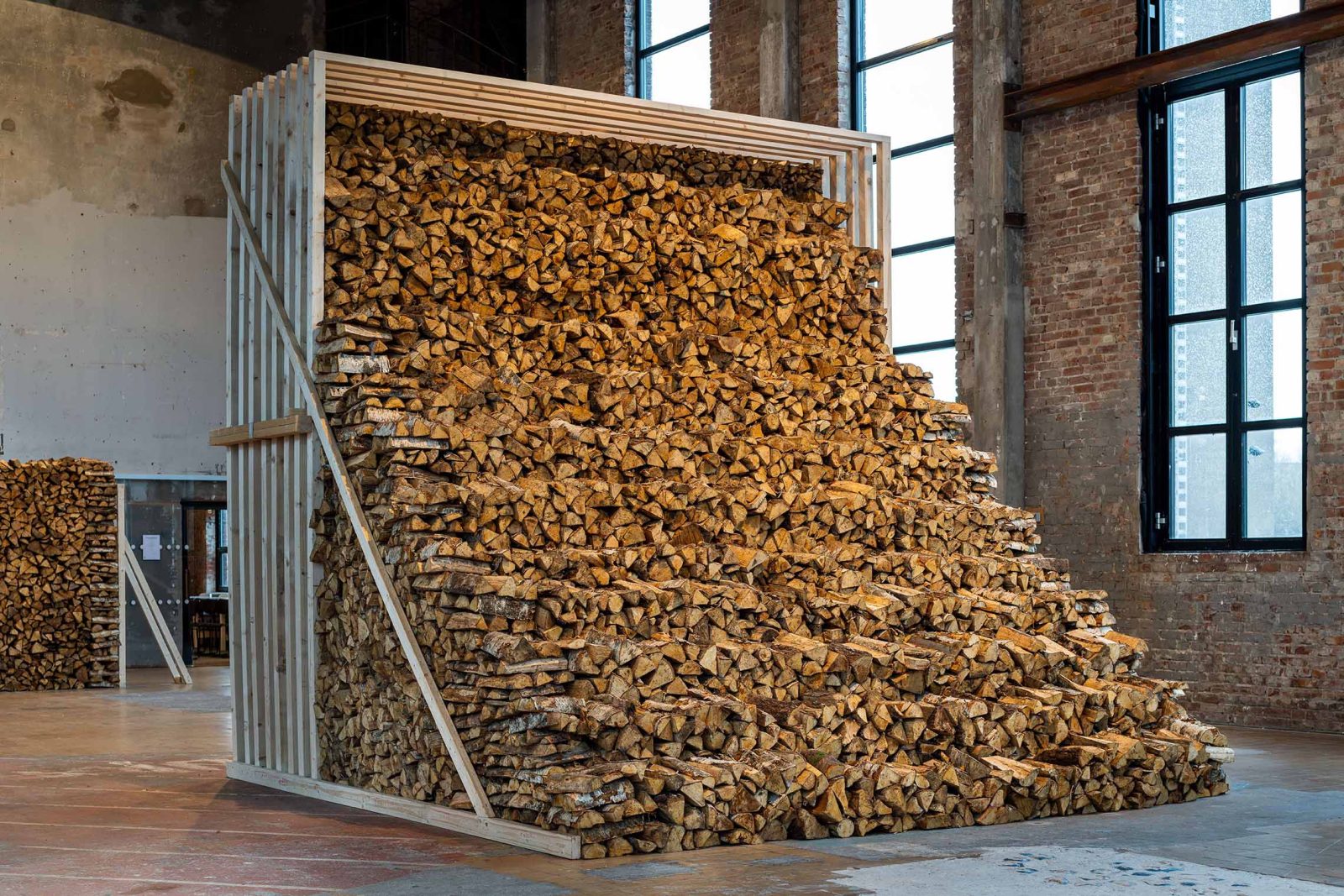
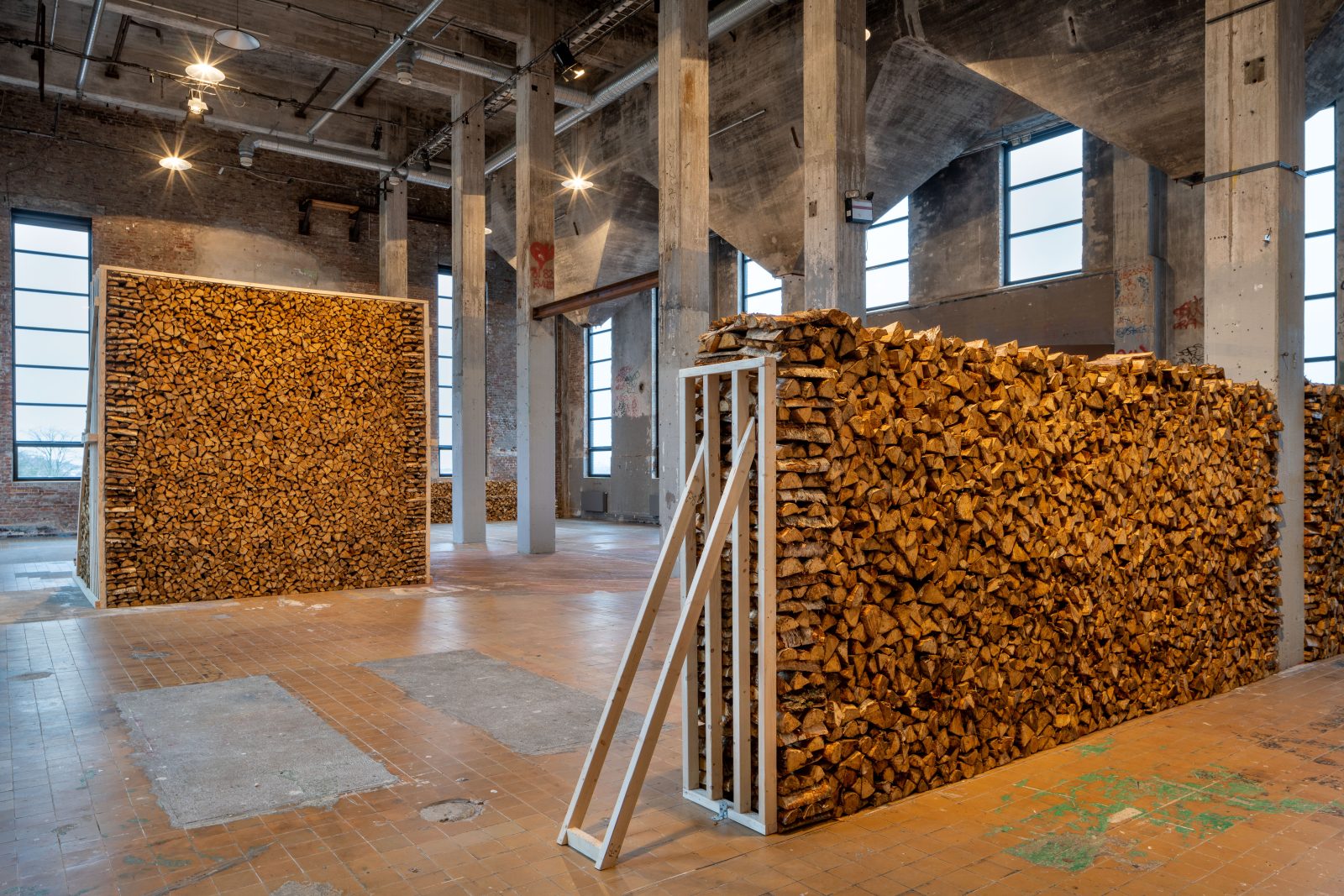
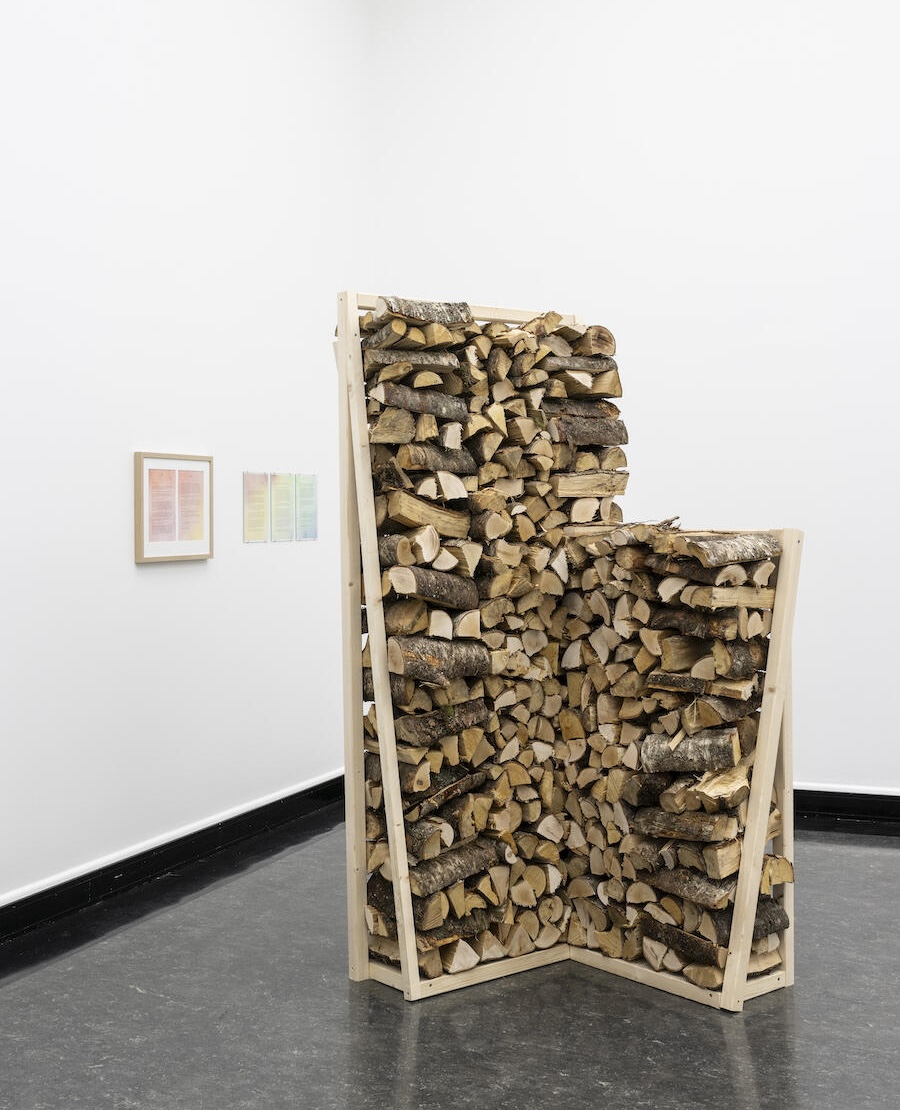
In cultural contexts where personal expression is not always a given, labor and action may serve as ways of displaying inner states. Grahn responds to this in sculptural works and installations such as her iterative works of stacked firewood. Frequently recruiting the participation of local collaborators, she invites them into a meditative or social, and intimate form of performance. These acts of labor give space for the dynamics of care, affection, responsibility, and dependency to be momentarily reconstituted.
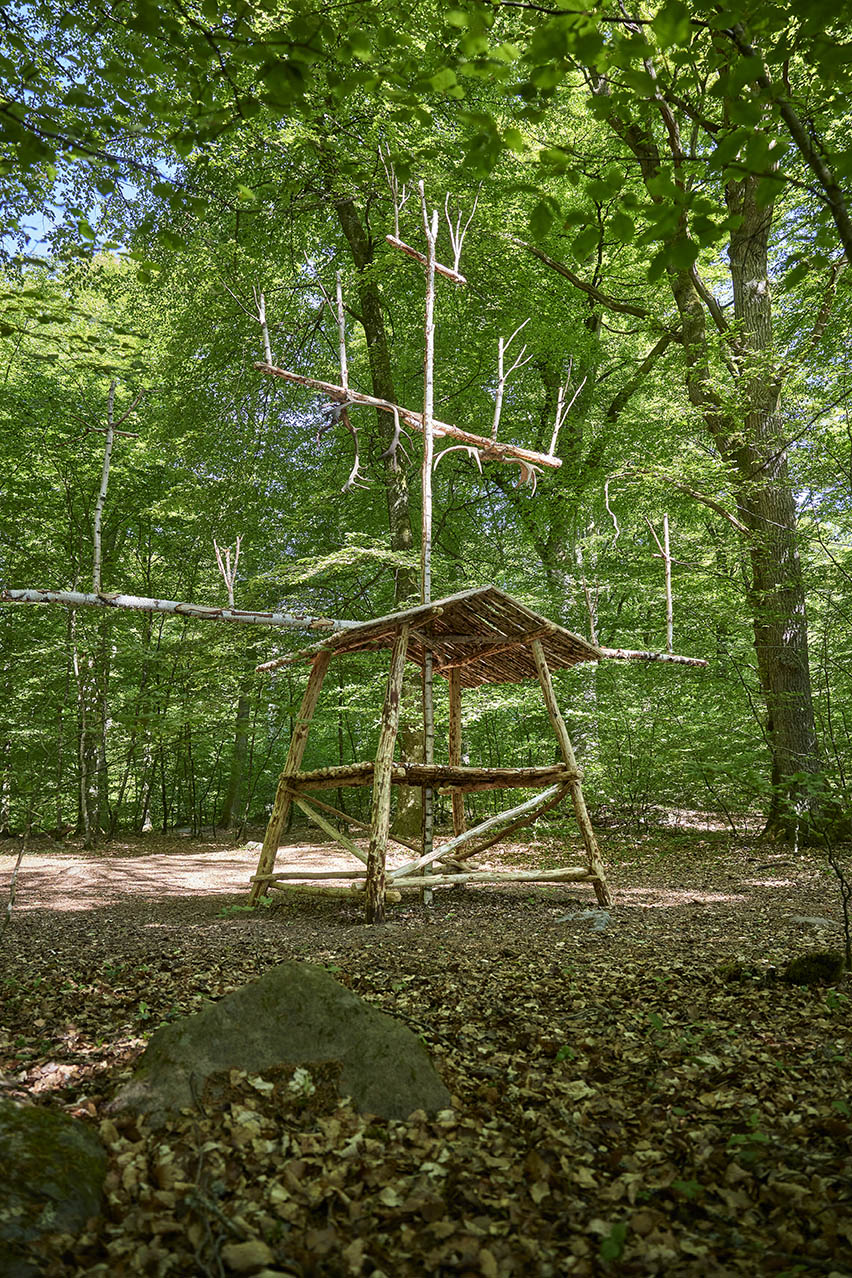
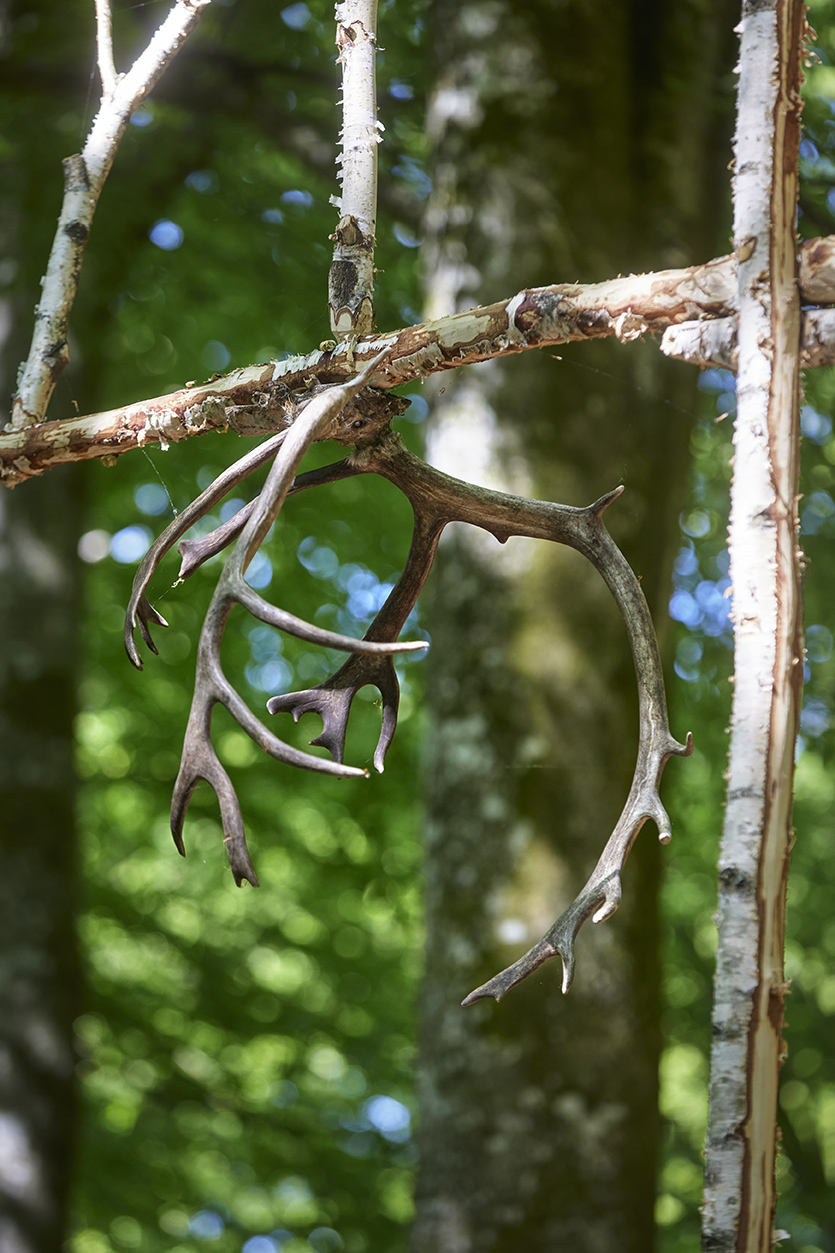
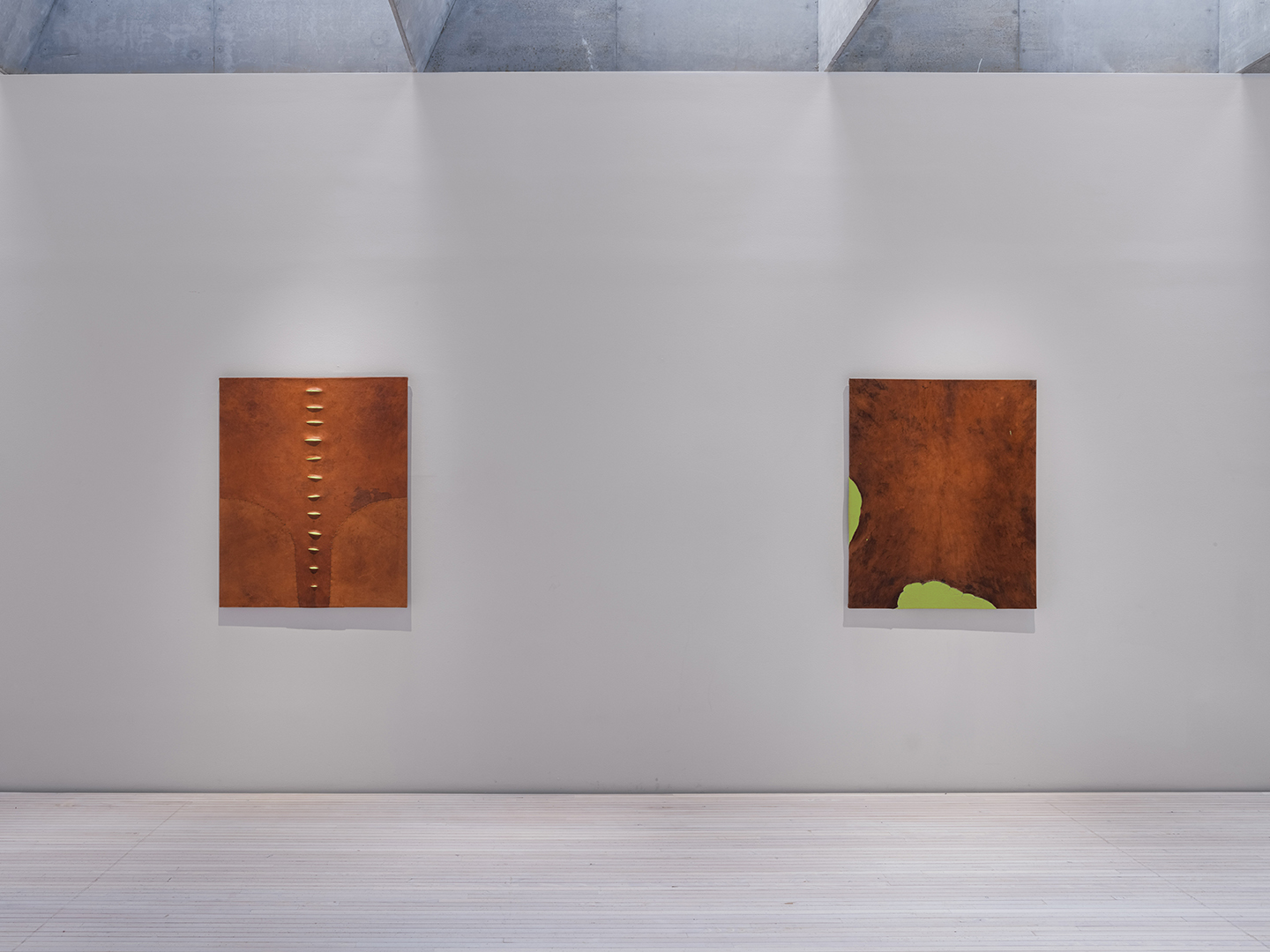
Formally, Grahn’s work often draws on restrained sculptural strategies that recall figures such as Donald Judd and Nancy Holt, while simultaneously grounding itself in vernacular materials drawn from Sami culture and the north. This convergence foregrounds alternative knowledge systems and perspectives as vital modes of approaching the world rather than as historical or ethnographic remnants. Grahn’s use of material serves to question dominant separations between the human and the ecological, and to evoke alternative models of relationality, responsibility, and coexistence.
Carola Grahn (b. 1982, Jåhkåmåhkke, Sæpmie) is based in Lund, Sweden. She received her MFA from The Royal Institute of Art, Stockholm in 2013. Grahn has recently presented solo exhibitions at Liljevalchs Konsthall (SE), Wanås Konst (SE), Röda Sten Konsthall (SE), and has exhibited at the IAIA Museum of Contemporary Native Arts (MoCNA) (US), Moderna Museet (SE), The Northern Norwegian Art Museum (NO), Gammel Strand (DK), The Buffalo AKG Art Museum (US), Helsinki Art Biennial (FI), Bergen Kunsthall (NO), Malmö Konsthall (SE), Kunsthal Charlottenborg (DK), PATAKA ART + MUSEUM (NZ), Nuit Blanche Toronto (CA) and Canadian Centre for Architecture, amongst many others. Grahn was awarded the Asmund and Lizzie Arles Sculptor Prize (2021), Aase and Richard Björklunds Foundation (2024) and completed the special commission for Archbishop Antje Jackelén for Church of Sweden (2023).
She is represented in the collections of Samiskt Kunstmagasin (NO), Moderna Museet (SE), The Public Art Agency of Sweden (SE), Mercedes-Benz Art Collection (DE), Göteborg Konst (SE), Konstmuseet i Norr (SE), Ájtte Svenskt Fjäll and Samemuseum (AIDA archive) (SE), Region Jämtland Härjedalen (SE), Östersund Municipality (SE) and the National Sami Competences Centre (NASÁG/NASAK)(NO) and the Museum of Contemporary Art Kiasma (FI).